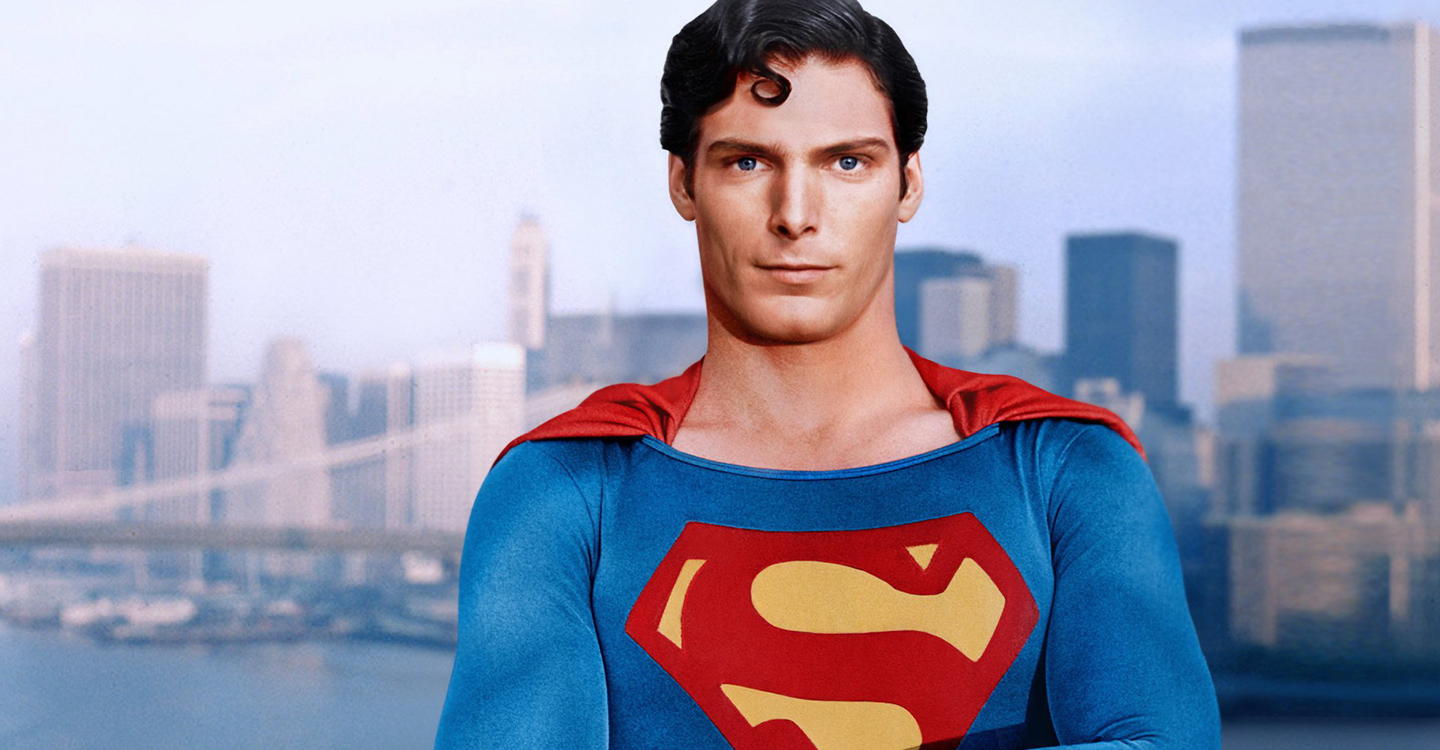

Even at nearly 90 years old, Superman remains a pop cultural powerhouse. The character’s origin story— sent to Earth to escape a dying homeworld by alien parents; nurtured under our yellow sun to gain godlike powers that he uses to fight for truth, justice, and the American way—has become the blueprint for an entire genre for decades to come, and a lucrative one at that.
Nowhere is this more evident than in film. Numerous Superman movies have been produced from the late 1940s onwards, and, with a ‘rebirth’ of the DC Cinematic Universe beginning in the summer of 2025, they aren’t slowing down anytime soon. Here’s every live-action Superman movie released so far, in order of release.
Early Superman Films (1948-51)
Created and first published by Joe Shuster and Jerry Siegel in 1938, it didn’t take long for Superman to fly onto cinema screens. Following a radio show and animated shorts, the first live-action Superman serial was released in 1948 with Kirk Alyn in the title role, albeit uncredited.
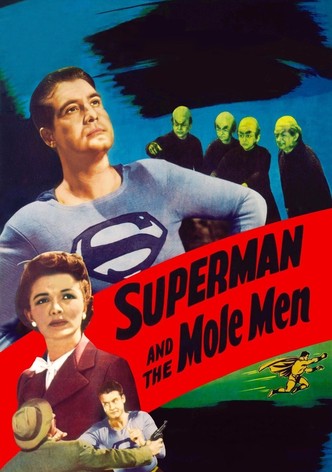
Two more followed during this period: Atom Man vs. Superman (1950) and Superman and the Mole Men (1951), swapping Alyn for George Reeves, who went on to play the character in a spinoff TV series. While serialised, these black-and-white shorts add up to feature-length ‘films.’ They were incredibly popular, eventually receiving home releases on VHS and DVD.
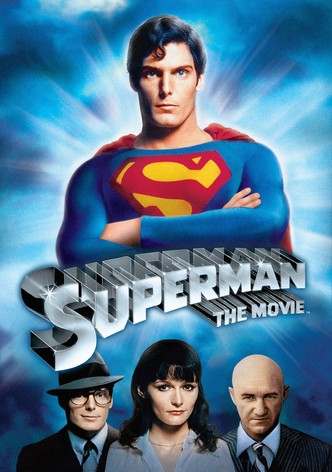
Superman (1978)
Aside from a couple of TV specials and cameos, it took 20 years for the man in red and blue to grace screens again after the conclusion of George Reeves’ TV show. The hero made his comeback in a big way: Richard Donner’s Superman had the largest price tag of any film at the time, and luckily, the gamble paid off.
Much like the character did for superhero comics, the 1978 film became the mold from which all superhero movies, particularly origin ones, are cast. It made a star out of lead Christopher Reeve, who masters the on-screen transition between the meek Clark Kent and knightly Superman, and includes A-lister Marlon Brando, groundbreaking visual effects, and iconic theme music from John Williams.
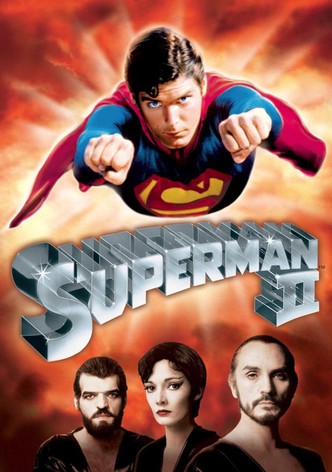
Superman II (1981)
Following up a smash blockbuster hit is never easy, and sadly, director Richard Donner never fully got the chance to: He was replaced by Richard Lester late into production on the Superman sequel due to friction with producers. In the first film, Supes foiled wealthy criminal ‘mastermind’ Lex Luthor’s earthquake plot; in the second, he’s pitted against the egomaniacal Kryptonian General Zod.
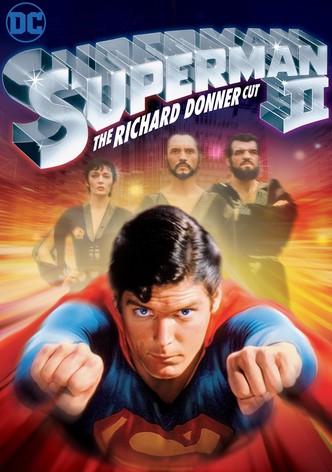
Leaning more on comedy, Superman II is a worthy follow-up that recaptures the awe of its predecessor, bolstered by a stirring turn by Terence Stamp as Zod. Extra footage shot by Donner was eventually reclaimed for a new version, Superman II: The Richard Donner Cut, released in 2006.
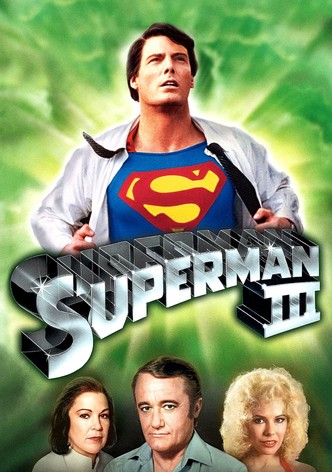
Superman III (1983)
Richard Lester retained the director’s chair for the third instalment of the series, which is where fans first started to notice a drop in quality. Superman III adds comedian Richard Pryor to the mix, playing a brilliant scientist coerced into creating an offshoot of Superman’s main weakness, Kryptonite, setting up a struggle between Clark Kent and his caped alter ego.
Not even a multifaceted performance from Reeve prevents Superman III from cheapening the franchise with silly gags and an incomprehensible plot, straining the goodwill built up by the previous films. Unfortunately, things only get worse from here…
Supergirl (1984)
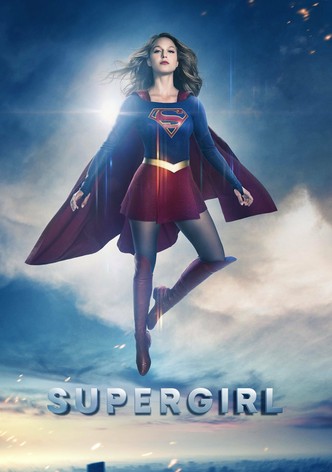
Superman’s younger cousin Kara Zor-El was supposed to be introduced in Superman III; instead, she lucked out with an entire spinoff of her own. Well, maybe it was more of a monkey’s paw version of luck, as Supergirl did very poorly both critically and commercially.
Co-starring Faye Dunaway as the villainous Kryptonian mystic, Selena, and Helen Slater in the title role, the film is more reliant on magic and fantasy than the more sci-fi heavy main series, with a love triangle causing Selena to banish Supergirl to the Phantom Zone, where she battles a demon to escape. Supergirl has since become a cult classic, with Slater brought back into the wider DCU from the 2000s onwards.
Superman IV: The Quest For Peace (1987)
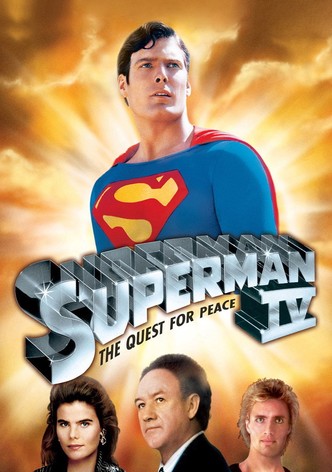
After declining to make an appearance in Supergirl, Reeve was persuaded to return to the film series with a bigger salary and the chance to shape the plot. The Quest For Peace subtitle references an end-of-Cold War message about nuclear disarmament. In this case, Superman’s efforts to rid the world of nuclear weapons accidentally create the living embodiment of them: Nuclear Man.
Reeve’s passion for the cause couldn’t save a movie challenged by cheap effects and a hollow narrative, leaving the series dead in the water for almost 20 years. Following an accident that left him paralysed in 1995, Reeve’s final contribution to the franchise was in the TV show Smallville, and later, a posthumous CGI cameo in 2023’s The Flash, alongside George Reeves.
Superman Returns (2006)
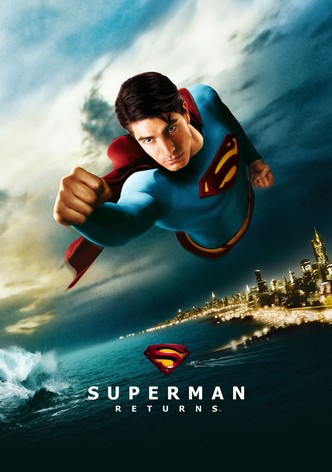
Attempts to resurrect the Superman film series, including a Death of Superman-inspired sequel with Reeve, finally got off the ground with X-Men director Bryan Singer. Superman Returns follows the hero, played by Brandon Routh, returning to Earth after five years, having left at the end of Superman II to find rumoured Kryptonian survivors. In that time, his long-time love interest, Lois Lane, had a son, and Lex Luthor is co-opting Kryptonian technology to make his own island.
Though the film is very reverent, arguably to a fault, to the Donner ones, which had a formative impact on Singer, it has a grounded family drama at its heart rather than outlandish action, making it feel very different from most superhero stories told then, or since.
Man of Steel (2013)
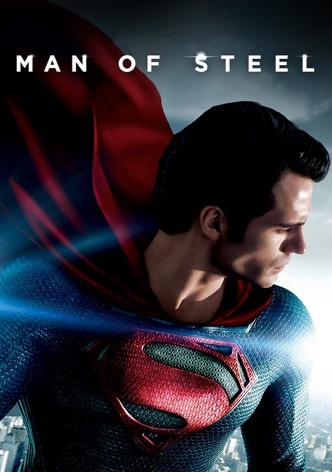
Despite Superman Returns’ critical and commercial success, the series was rebooted again seven years later. Kickstarting the DC Extended Universe (DCEU) to compete with Marvel, Henry Cavill and Zack Snyder replace Routh and Singer in a deeply contrasting cinematic entry, trading bright colours and character drama for large-scale destruction and ethically murky decision-making.
A controversial battle with Michael Shannon’s General Zod didn’t stop Man of Steel from becoming the highest-earning solo Superman film of the series, catapulting Cavill to stardom and setting the stage for Snyder’s darker take on the DC Universe as a whole.
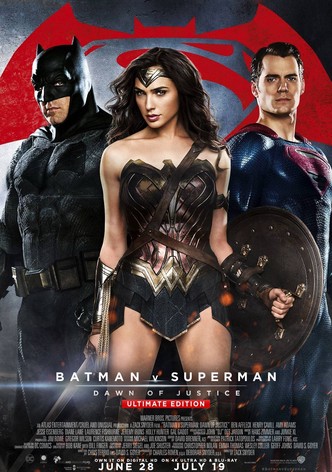
Batman v Superman: Dawn of Justice (2016)
A precursor to the long-awaited Justice League movie, Batman v Superman turns the ‘Super Friends’ into super enemies. In a stroke of meta, comic book IP rivalry, it was also released in the same year as the MCU’s own ‘vs’ movie, Captain America: Civil War.
Predicated on Batman’s mistrust of Superman’s power and Superman’s distaste for Batman’s brutality, the pair’s conflict is stoked to a violent climax by Jesse Eisenberg’s Lex Luthor and eventually cooled by Gal Gadot’s Wonder Woman, the character’s first live-action appearance on film. Its divisiveness is evident in its box office performance, with a historically high opening weekend and drop off in its second.
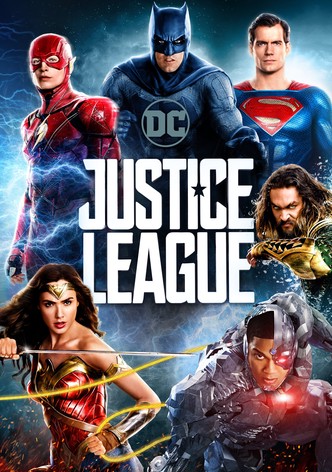
Justice League (2017)
The mixed reception and performance of Batman v Superman didn’t deter Warner Bros. or Snyder, from creating a sequel. Justice League adds Aquaman, The Flash, and Cyborg to Batman, Superman, and Wonder Woman’s titular team, joining forces to prevent the otherworldly Steppenwolf from activating an apocalyptic device.
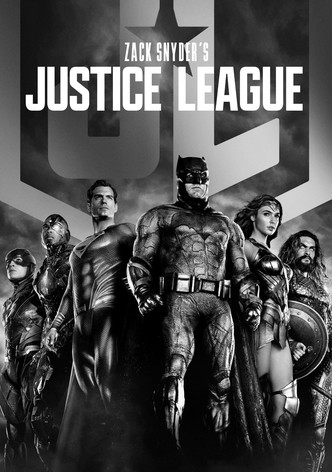
Post-production was hampered, however, by the tragic loss of Snyder’s daughter. As a result, Avengers director Joss Whedon completed the film. Backlash to this, as well as mixed reactions from critics and the audience to the ambitious but uneven end product, prevented it from recouping a ballooned budget. Fan demand for Snyder’s vision to be fully realised led to a longer, recut version being released on streaming in 2021, Zack Snyder’s Justice League.
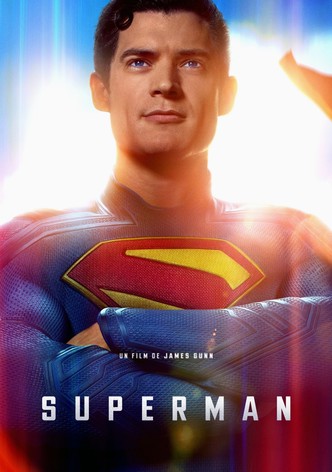
Superman (2025)
In 2025, the Superman film series and the DC Universe as a whole will be rebooted again; this time, under Guardians of the Galaxy and The Suicide Squad’s James Gunn’s stewardship. With relative unknown David Corenswet donning the spandex and cape, this new movie reckons with a clash between the character’s biological and adoptive heritages.
After the inconsistent world-building and tone of the DCEU, Superman (2025) is the first instalment of a chaptered, cinematic rebuild, starting with Chapter One: Gods and Monsters. 2023’s The Flash, with its time-bending plot, can be considered the end and starting point for this new continuity, with upcoming projects intermingling popular and lesser-known DC characters.
Where To Watch Superman Movies Online
To discover more about TV shows and movies currently streaming in the UK, check out the JustWatch streaming guide! You can filter your search by streaming service, genre, price, age rating, and score. Be sure to build your watchlist and receive helpful notifications on what to watch next based on your preferences!